
Choosing a system
How to Choose an Energy-Efficient Heating and Cooling System
Use a practical checklist to compare heating and cooling systems, from room needs and seasonal efficiency to controls, access, installation and lifetime costs.
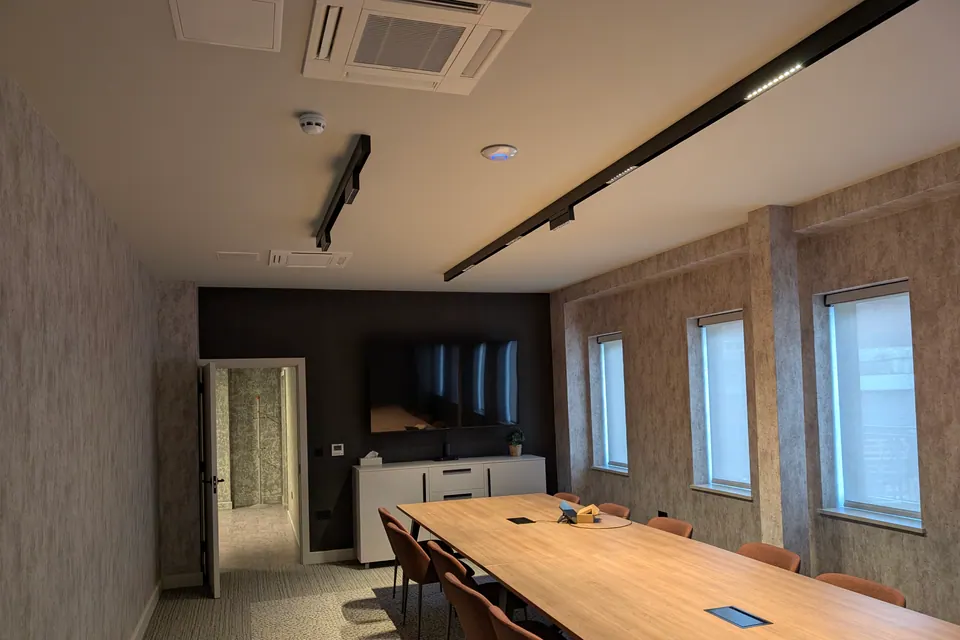
An energy-efficient heating and cooling system is not simply the model with the highest figure in a brochure. It needs to meet your room requirements, operate effectively at the loads you expect and fit the building without creating avoidable noise, access or maintenance problems.
Use this checklist to organise an enquiry and compare proposals. It focuses on air-to-air systems within Aircon Elite’s air conditioning range, not boiler, ground-source or air-to-water installation services.
Define comfort before comparing equipment
List the rooms you want heated or cooled, their normal occupancy and the times discomfort occurs. Distinguish essential winter heating from occasional supplementary warmth, and overnight bedroom cooling from daytime office use. Explain any particular airflow or sound sensitivities.
Consider shading, insulation and draught reduction before finalising equipment capacity. Those measures change the task the system must perform. Do not assume a product label can compensate for an unassessed room or that one indoor unit will condition every connected space evenly.
Ask for a room-specific design
The assessment should consider heat loss, solar gain, glazing, ceiling height, occupancy and equipment loads as appropriate. Heating and cooling requirements differ, so both need attention if both matter to you. Ask the designer to explain the assumptions behind the recommendation.
Energy Saving Trust highlights the importance of selecting air-to-air equipment for its heating requirement. Request the actual indoor/outdoor model pairing and any multi-room combination details. A capacity recommendation based solely on floor area does not explain enough about the proposed design.
Read performance figures in context
SCOP describes seasonal heating performance under standardised assumptions; SEER describes seasonal cooling efficiency. Instantaneous COP, nominal capacity and minimum operating temperature provide different information. Ask which data supports winter output and which supports annual electricity estimates.
Compare the exact quoted models under equivalent conditions. Daikin, Mitsubishi Electric, Fujitsu and Toshiba offer different products and configurations; no brand-wide claim establishes the best option for every room. Also check minimum output, because an oversized unit may struggle to match a small load smoothly.
Check installation constraints early
Identify possible indoor and outdoor positions, pipe routes, condensate drainage and electrical requirements. Outdoor equipment needs clear airflow and future service access. Indoors, consider furniture and sleeping or working positions, not just an empty wall that looks convenient.
Confirm planning, lease and landlord requirements where relevant. Ask what is included in making good, access equipment and commissioning. Our installation cost guide helps compare written scopes. A lower total may reflect exclusions rather than a more economical way of achieving the same result.
Compare controls and full-year costs
Choose controls that the household can use confidently. Check timers, room-level control, internet dependence and any restrictions on simultaneous heating and cooling. Features should solve a real need rather than add complexity without a clear benefit.
Budget for installation, electricity, maintenance and retained hot-water or heating provision. Summer cooling adds consumption. Keep grants and tax assumptions separate until verified for the actual project. Quiet-mode sound figures and energy-monitoring estimates also need their conditions explained before they become decision-making promises.
Request a clear handover and limits
A useful proposal explains room coverage, expected performance, limitations and ongoing care. Ask for user instructions, relevant warranty information and maintenance requirements at handover. Find out how fault concerns should be reported and what information the team will need. Keep those documents accessible to everyone who operates the system.
Aircon Elite’s installation service and custom design service can assess these points. Keep fresh-air ventilation and hot-water arrangements explicit, because typical split systems do not replace them. The right choice balances comfort, realistic efficiency, practical ownership and a scope you understand, without guaranteed savings or unsupported brand-superiority claims.