
Choosing a system
Preparing Your Home for Summer: Choosing the Right Air Conditioning System
Assess bedrooms, living rooms and home offices before choosing air conditioning. Balance shading, airflow, noise, room loads and practical installation needs.
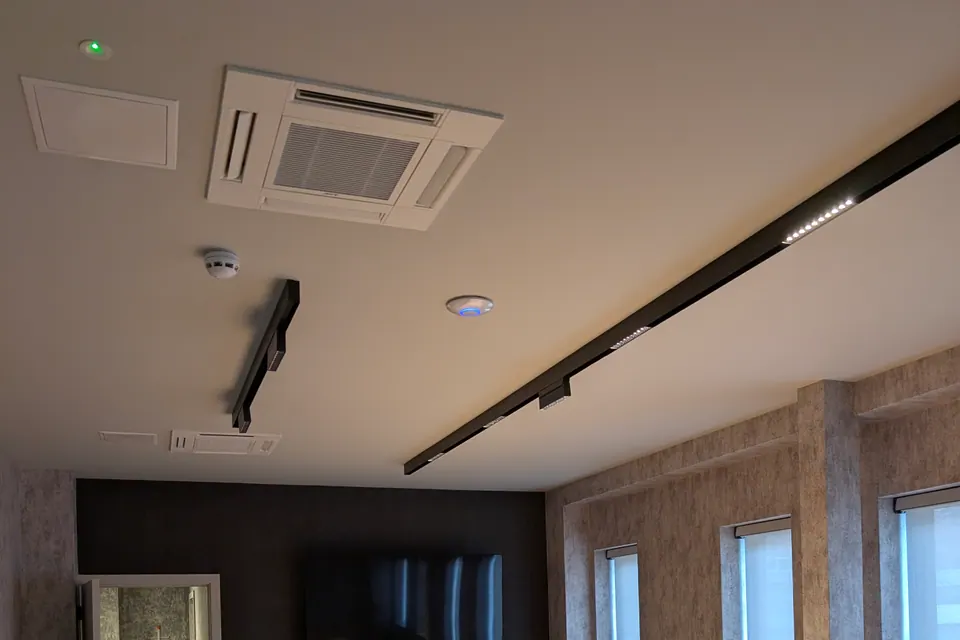
Choosing home air conditioning starts with understanding the discomfort you want to solve. A bedroom that stays warm overnight, a glazed living room and a home office with computer equipment may need different solutions, even in the same house.
Before comparing units, record when each room overheats and what measures you have already tried. This helps an installer assess the actual cooling task instead of recommending the same capacity or indoor position for every space.
Reduce unwanted heat first
Shading and sensible use of windows can reduce the load the cooling system must handle. UKHSA advises keeping sun-facing rooms shaded and opening windows when outdoor air is cooler, where this is safe. Security, air quality and household circumstances still matter.
Turn off unnecessary electrical equipment and consider which rooms remain coolest naturally. These steps will not solve every overheating problem, but they can improve comfort before mechanical cooling is needed. Energy Saving Trust recommends considering passive measures alongside active cooling rather than treating electricity use as unavoidable.
Describe how each room is used
For bedrooms, discuss sleeping hours, usual bed position and sensitivity to fan noise or draughts. A low sound figure at the quietest setting does not describe every operating condition. Ask whether that setting provides sufficient cooling for the room’s likely load.
For a study, include equipment, occupancy and the afternoon sun. Living spaces may have open doors or adjoining kitchens that change the cooled area. A single unit does not necessarily keep several connected or distant rooms equally comfortable, particularly when internal doors are closed.
Size for the building, not a shortcut
Floor area is only one input. Window size and orientation, insulation, ceiling height, roof exposure and internal heat gains all influence the cooling requirement. Choosing an oversized unit as a precaution can introduce control and comfort problems rather than solve uncertainty.
Ask what assumptions underpin the recommendation and whether heating has also been assessed if you want reversible operation. Cooling output is not the same as electrical input. Equipment sold as a particular kilowatt size is normally describing thermal capacity, not constant electricity consumption.
Decide how many indoor units you need
A wall-mounted indoor unit is one possible style. It can belong to a single-split system or to a multi-split arrangement serving several rooms. The distinction is about layout and connections, not a choice between wall mounting and multiple rooms.
Our single-split and multi-split guide explains shared capacity and controls. Consider whether every room needs cooling simultaneously, where the outdoor equipment can go and how much pipework is practical. More units mean more equipment to maintain, not just wider coverage.
Check positions, drainage and permissions
Indoors, allow airflow without directing a persistent stream onto a bed or desk. Outdoors, the unit needs suitable clearances, safe access and a location where sound and discharge air have been considered. Concealing equipment tightly can undermine the design.
Pipe routes, condensate drainage and electrical provision need assessment too. Check landlord, lease and planning requirements before committing. Homes in Hertford vary in layout and restrictions; service coverage is not evidence that every property can use the same installation arrangement.
Think beyond the first hot day
Ask how to use schedules, adjust airflow and carry out permitted filter care. Air conditioning recirculates room air in typical domestic split systems, so retain appropriate fresh-air ventilation. Cooling also adds electricity demand, even when winter heating performance is efficient.
Our home installation service can assess the rooms you prioritise and explain relevant options. A good choice balances reliable comfort, sensible running costs, practical servicing and an installation you are happy to live with throughout the year, not only during a short warm spell.