
Heating & comfort
Can You Use Air Conditioning to Heat Your Home in Autumn?
Use reversible air conditioning for autumn comfort with mode settings, room schedules and airflow. Understand the limits of occasional, room-based heating.
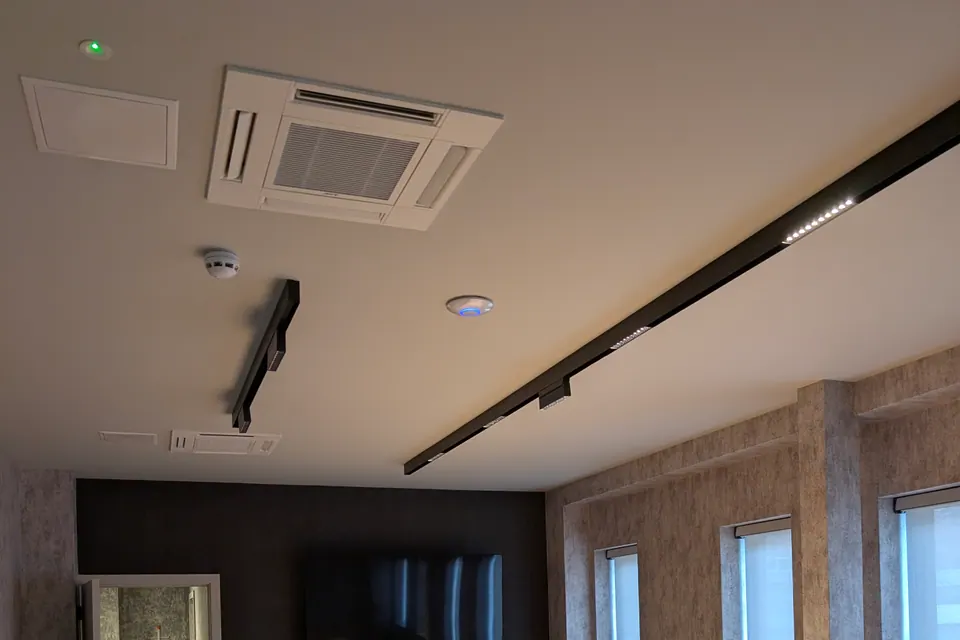
Autumn often brings mixed conditions: a chilly morning, a mild afternoon and rooms used at different times. A reversible air conditioning system can provide targeted warmth without treating the entire day as a single heating requirement.
That can be useful in a home office or living room, but it is not an automatic saving. The result depends on the equipment, tariff, room heat loss and the heating you would otherwise use. Start by checking that your system is designed for heating.
Confirm the model and heating mode
Not every appliance described as air conditioning provides reversible heating. Check the model information and user instructions rather than assuming a sun symbol on an unfamiliar controller establishes the full capability of the connected equipment.
For a suitable system, select heating deliberately and choose a reasonable setpoint. A normal start-up delay or temporary pause may occur while the unit prepares to deliver warm air. Follow the manual rather than repeatedly changing mode. If a multi-split serves other rooms, check whether their requested modes are compatible.
Match operation to occupied rooms
A study used all morning has different needs from a living room occupied briefly after dinner. Use schedules where appropriate and review them when daylight, working patterns or occupancy change. Avoid heating empty rooms simply because last season’s timer is still active.
Our home office service can assess a regularly used workspace. Remember that room-based heating does not automatically keep adjoining rooms comfortable. Decide which doors are normally open and whether other spaces need their existing heating left available, especially where occupants have different comfort needs.
Understand mild-weather efficiency
An air-to-air heat pump moves outdoor heat indoors using electricity. Mild outdoor conditions can be less demanding than severe winter weather, but there is no universal autumn COP or guaranteed bill reduction. The system’s minimum output and ability to modulate also matter for a small heating load.
Energy Saving Trust stresses appropriate sizing for heating. If demand is very low, equipment may cycle rather than run continuously at its most favourable brochure condition. Compare your actual usage and tariff rather than assuming every hour achieves a seasonal efficiency rating.
Adjust airflow for comfort
Warm air distribution differs from summer cooling. Use the manufacturer’s heating-mode louvre and fan guidance, keeping outlets clear. Avoid a persistent draught over a desk or sofa, but do not force flaps or cover the outlet to redirect air.
Give the room time to settle before making repeated adjustments. The temperature at the indoor sensor may differ from the temperature beside your chair. A modest setting change or better airflow can be more useful than selecting maximum heat. Persistent poor performance should be investigated rather than managed indefinitely through extreme settings.
Keep ventilation and hot water separate
Typical domestic split units recirculate room air. They do not replace ventilation needed for occupants and moisture management. Maintain appropriate fresh-air arrangements while avoiding unnecessary heat loss; do not block required vents to improve a running-cost calculation.
Standard air-to-air heating also does not supply your existing hot-water system. If you retain gas or another fuel for bathing or other rooms, include those ongoing costs when reviewing autumn bills. A reduction in one room’s heating use is not equivalent to removing the household’s entire heating expenditure.
Prepare for changing conditions
Check filters according to the user manual and arrange servicing when needed. Outdoor water during heating defrost may be normal, but persistent heavy icing, fault codes or indoor leaking warrant professional advice. Do not chip ice or attempt internal repairs.
As colder weather approaches, review whether the installation covers the winter requirement. Our cold-weather guide explains capacity and defrost separately. Aircon Elite’s air-to-air heating service can assess a suitable approach without promising a fixed seasonal saving or implying coverage for unserved rooms.