
Care & maintenance
Spring Air Conditioning Maintenance: Why Servicing Early Makes Sense
Prepare air conditioning for warmer days with safe filter care, a simple observation checklist and clear advice on which checks need a qualified engineer.
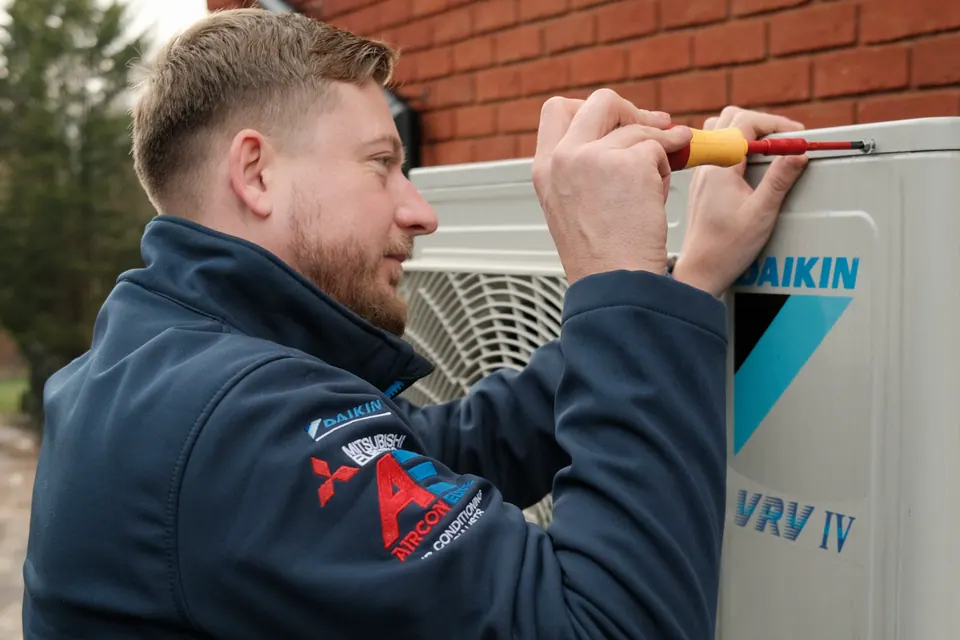
Spring is a useful time to check air conditioning before you depend on it for cooling. A system that seemed fine at the end of last summer may have collected dust, developed a drainage issue or been left with unsuitable controller settings.
The aim is straightforward: spot concerns early and arrange appropriate maintenance. Booking ahead gives you more time to resolve a problem, but it is not a promise of a particular appointment or a guarantee against summer breakdowns.
Start with records and instructions
Find the model number, user manual and previous service record. Note whether the equipment has also been used for heating through winter. A system working throughout the year may need a different maintenance plan from one used occasionally in a guest room.
Follow the manufacturer’s recommended tasks and intervals for the actual installation. There is no single filter-cleaning schedule suitable for every household. Pets, dust, occupancy and operating hours affect how quickly filters become dirty. Warranty conditions may also specify maintenance and record-keeping requirements.
Keep filter care within safe limits
Only remove filters that the user manual explicitly identifies as user-accessible. Switch off and isolate the equipment as instructed before opening the permitted cover. Do not climb onto unstable furniture or attempt access that needs unsafe reaching.
Some filters can be vacuumed or washed; others need replacement or special treatment. Use only the method specified for that filter, allow washable parts to dry as directed and refit them correctly. Do not spray cleaning chemicals into the unit or assume every fine filter is washable.
Look for obstructions without dismantling
Indoors, move furniture or curtains that obstruct the air inlet or outlet. Outside, look for leaves, stored objects or vegetation blocking the unit’s clearances, while keeping away from moving parts and fragile coil fins. Do not remove guards or use a pressure washer.
The government’s inspection guidance explains why restricted airflow can impair heat transfer and efficiency. If outdoor access requires a ladder or the unit is on a roof, leave inspection and cleaning to someone equipped to work there safely.
Run a normal, controlled check
When outdoor conditions fall within the model’s permitted cooling range, select cooling mode, choose a reasonable temperature and allow the normal start-up sequence. Check the controller clock and schedules, especially after a power interruption. Confirm that each intended room responds to its controller.
Record weak airflow, persistent unusual noise, unpleasant smells, indoor dripping or displayed fault codes. A brief observation is more useful than repeatedly changing settings. Stop using equipment that shows smoke, burning smells or electrical distress and seek appropriate help rather than continuing a test.
Know what professional servicing covers
An engineer can assess components that are not user-serviceable, review drainage and operating performance, and identify whether further investigation is needed. Refrigerant work and electrical fault-finding are not routine household maintenance. Refrigerant should not need a casual annual top-up; loss requires investigation.
Our air conditioning maintenance service can discuss a suitable plan for your equipment and usage. Tell the team about symptoms when booking, because diagnosing a fault may require a different visit from a straightforward planned service.
Make the next season easier
Keep a short record of service dates, filter care and any changes in performance. Share it with the engineer, along with model details and access restrictions. For premises with multiple systems, identify rooms clearly so concerns are not attributed to the wrong unit.
Homeowners in Welwyn Garden City can plan around their own usage rather than an assumed local summer forecast. If a fault appears later, our hot-weather troubleshooting guide separates sensible user checks from problems that need a repair visit.